Executive Committee - Candidates for the Americas
Brady Atwood, Associate Professor - University of Minnesota, Minneapolis, MN
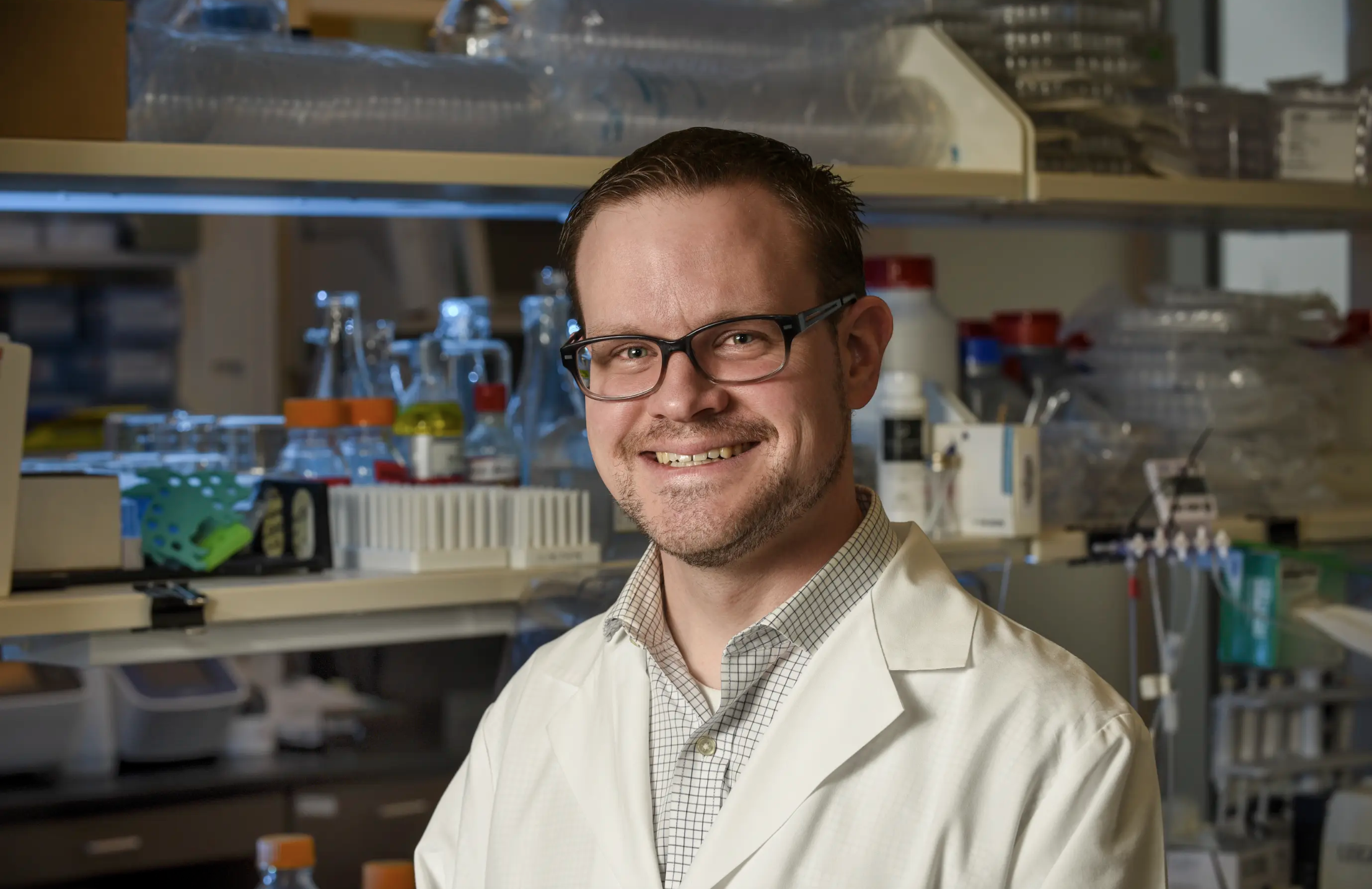
Brady Atwood has been a member of INRC for 14 years and has made it to all but two of the meetings since joining. His research focuses on opioid neurobehavioral pharmacology, with specific emphases on opioid receptor-mediated regulation of synaptic transmission and the synaptic basis of opioid-induced behavioral change. Major contributions include the discovery that mu opioid receptors on vGluT2-positive glutamate neurons mediate opioid reward, locally-released endogenous opioids mediate synaptic plasticity in the striatum, and mechanisms of prenatal opioid exposure-induced neurobehavioral dysfunction via changes in motor cortex function. INRC is Brady's favorite scientific society and he is eager to work with other Executive Committee members to help promote opioid research in the international community, including expanding membership. He is also a strong advocate for greater involvement of trainees in INRC through enhanced participation, leadership, and mentorship.
Aliza Ehrlich, Assistant Professor - School of Life Sciences - Virginia Commonwealth University, Richmond, VA
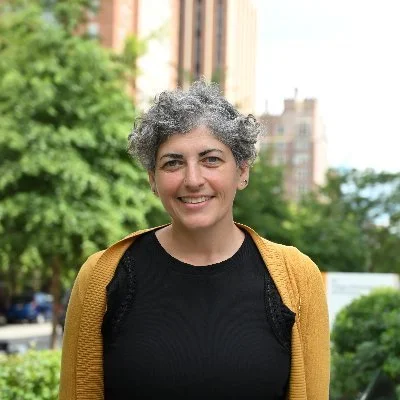
Eliza’s research investigates how G protein-coupled receptors (GPCRs) are trafficked and signal within neurons, with a particular focus on compartmentalized signaling at the primary cilium and its role in neuromodulation. Her work integrates molecular and cellular biology, advanced fluorescence microscopy, and neuronal models to understand how spatial organization of signaling pathways regulates dopamine and opioid receptor function.
Dr. Ehrlich received her PhD in Life Sciences from Kyoto University, followed by postdoctoral training at IGBMC in Strasbourg, France, and McGill University. She subsequently established her independent research program at the University of California, San Francisco, before joining VCU. She has a strong record of interdisciplinary research and collaboration and is committed to fostering an inclusive and supportive scientific community. She would bring expertise in GPCR biology, neuronal signaling, imaging, and early-career faculty perspectives to the committee.
Jose Moron-Concepcion, Professor - Washington University in St Louis, Saint Louis, MO
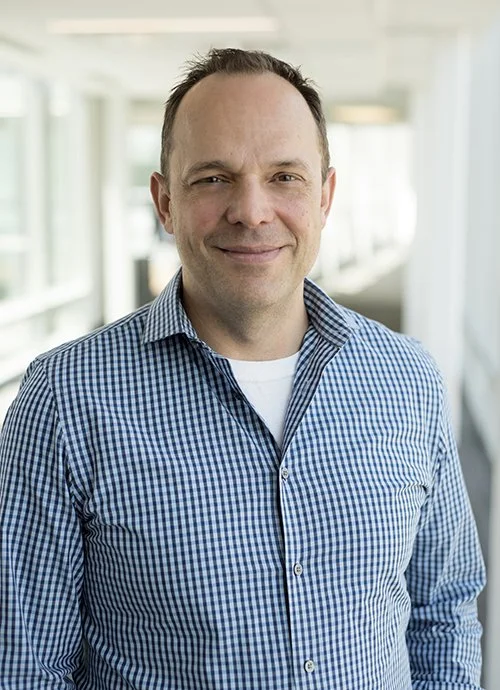
I am pleased to submit my nomination for the Executive Committee of the International Narcotics Research Conference (INRC), an organization that has been an important part of my scientific career and professional community for many years. I am currently the Henry E. Mallinckrodt Professor of Anesthesiology and Professor of Neuroscience and Psychiatry at Washington University School of Medicine in St. Louis, where I also serve as Chief of the Division of Basic Research in Anesthesiology.
My research focuses on the neurobiology of opioids, dependence, and pain, particularly the mechanisms through which chronic pain and negative affect influence vulnerability to opioid use disorder. Our work spans fundamental opioid receptor and neural circuit biology through the development of new therapeutic approaches for pain, opioid use disorder, and opioid overdose.I have a long-standing commitment to INRC. I previously served on the Executive Committee and co-organized INRC meetings in Phoenix and Valencia. I attend the conference regularly and strongly encourage members of my laboratory to participate, present their work, develop collaborations, and become part of this unique international scientific community. I also bring experience at the intersection of opioid and pain research, federal research priorities, and public health. I currently serve on the NIDCR Advisory Council and previously served on the federal Pain Management Interagency Coordinating Committee and a National Academy of Medicine committee charged with providing guidance to the FDA on pain management in the context of the opioid crisis. These experiences ave given me a broad perspective on how fundamental opioid science can inform clinical practice, research priorities, and policy.
I would be honored to serve again on the INRC Executive Committee and bring these perspectives, together with my international collaborations and commitment to mentorship, to strengthen INRC’s scientific mission, visibility, and support of the next generation of opioid researchers.
Executive Committee - Candidates for EUROpE / AFRICA
Andrea Bedini - Associate Professor, University of Bologna, Bologna, Italy
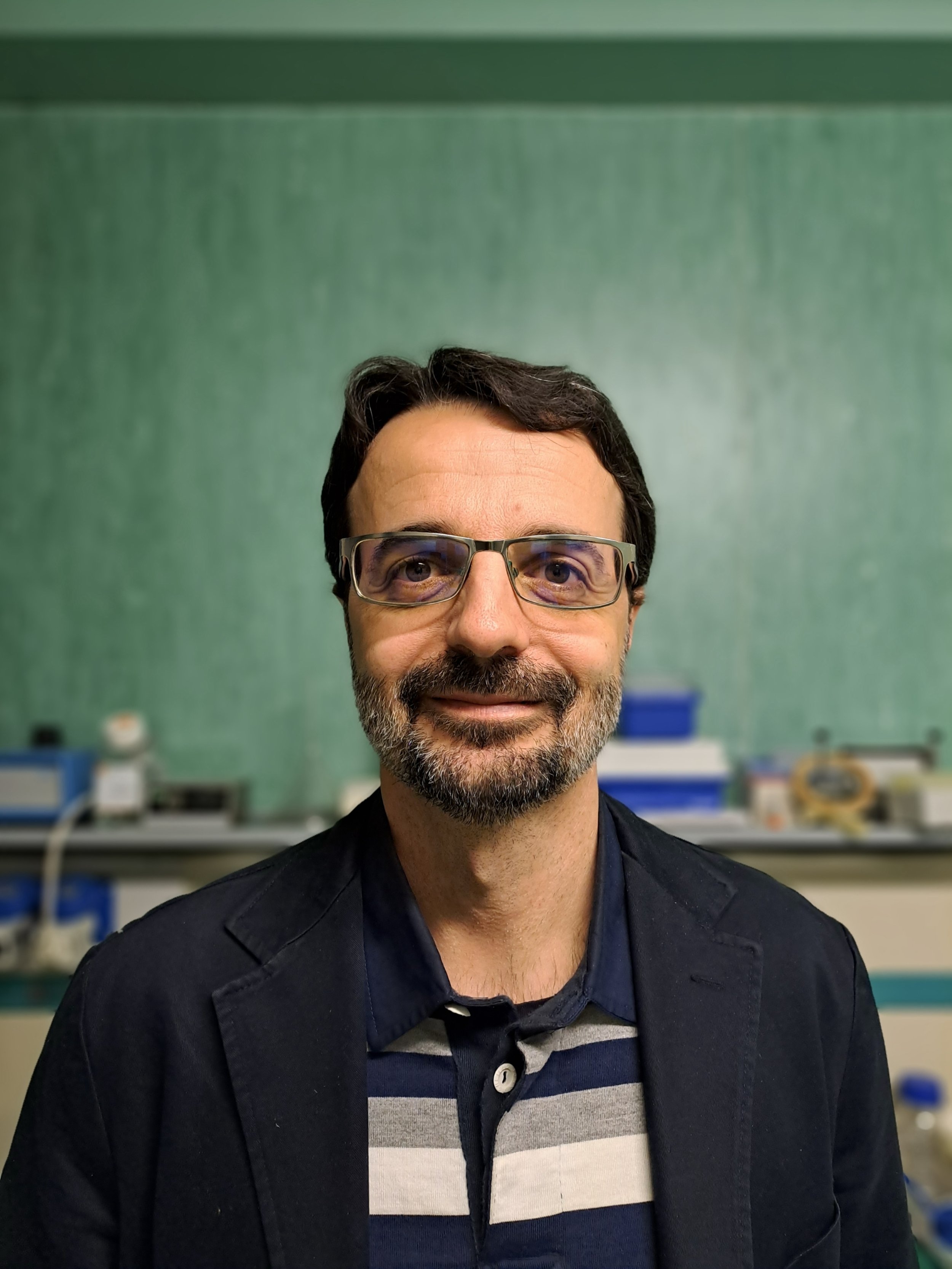
My research activities mainly deal with performing molecular pathway analysis of the effects of analgesic opioids and innovative ligands in the realm of a Quantitative Systems Pharmacology, and with characterizing new opioid ligands in terms of their cellular and molecular effects. This aiming to develop innovative treatments for pain management, addiction, and psychiatric disorders. I consider INRC my scientific society of reference and I feel strongly connected with and committed to this scientific community. The first INRC I attended was the 2006 meeting in St. Paul, Minnesota (I was a PhD student) and since then I participated to 15 annual INRC meetings; I was elected as member of the Executive Committee in 2019, I contributed to organizing the 2020 and 2021 meetings and I co-chaired the 2025 INRC meeting in Bologna (Italy). In 2023 I had the honor to be awarded the INRC Young Investigator Award.
INRC has played a pivotal role in shaping my growth as a scientist and as a person, providing me with an inspiring environment where I could meet mentors who were crucial for me, update my knowledge and expertise, discuss science, foster collaborations, build friendships. I would be honored to serve as a member of the Executive Committee to help keep and strengthen INRC as the scientific society founded on groundbreaking research and supportive community (especially to younger trainees) that I have experienced throughout my career.
Lab website: Cellular and Molecular Pharmacology Unit
Esi Domi - Associate Professor, University of Camerino, Camerino, Italy
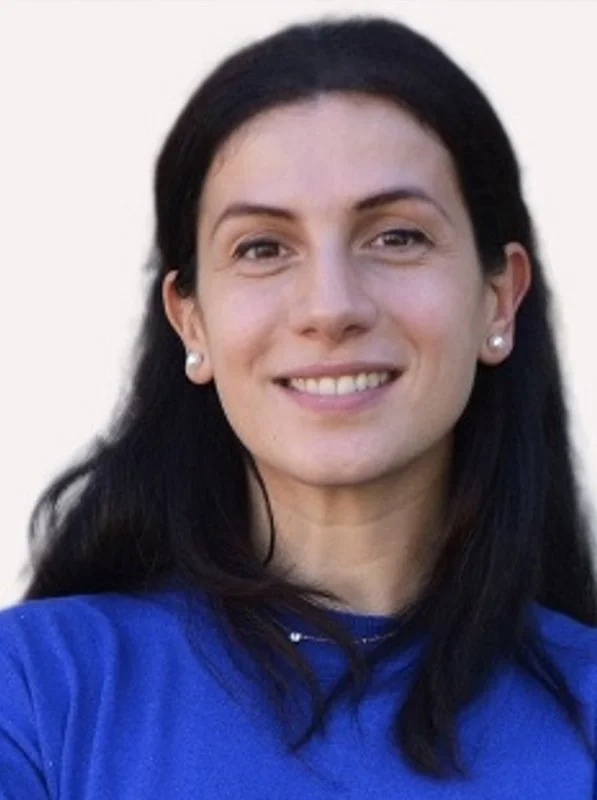
My research focuses on understanding the neurobiological mechanisms underlying addictive disorders in search for novel therapeutic targets. I completed my graduate training in behavioral pharmacology and addiction under the supervision of Professor Roberto Ciccocioppo at the University of Camerino, Italy. I subsequently received a postdoctoral fellowship from the Italian Society of Pharmacology to join Professor Markus Heilig’s laboratory at Linköping University, Sweden.
During my postdoctoral training, I investigated the role of individual vulnerability to compulsive alcohol use and its underlying neural and pharmacological mechanisms. I also examined the contribution of the opioid system to alcohol consumption associated with stress and nicotine exposure. This research was recognized from the Swedish Society of Addiction Medicine and Young Investigator Awards from the European and the International Society for Research in Alcoholism (ESBRA/ISBRA). I am currently an Assistant Professor in the Department of Pharmacology and the Centre for Neuroscience, University of Camerino, where I am establishing an independent research program focused on the opioid system’s role in stress and alcohol-related behaviors, focusing on individual vulnerability and sex-dependent mechanisms. Since joining INRC, I have attended its scientific meetings, presented my research, participated in scientific discussions, and exchanged ideas with colleagues. If elected as a European representative to the INRC Executive Committee, I would strengthen connections between European researchers and the broader international community, promote opportunities for early-career investigators, and support initiatives that bridge basic and translational research. I would be honored to contribute my experience, enthusiasm, and collaborative perspective to the future of INRC.
Marie Eikemo, Assistant Professor - Oslo University, Oslo, Norway
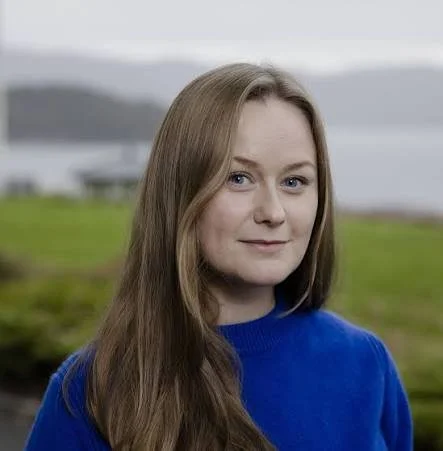
I would be excited to contribute to the INRC Executive Committee becoming more deeply involved in research on the opioid system worldwide. My engagement with opioid psychopharmacology began as a student researcher 16 years ago. Since then, my work has consistently aimed to bridge the gap between preclinical discoveries in opioid reward, stress and pain mechanisms and their translation to human studies. Now, as a new principal investigator I run a lab running both experimental and clinical studies in humans and am motivated to promote close interdisciplinary collaborations to improve translation (and back-translation) of findings between animal models, the healthy human brain, and relevant patient groups. My current projects are largely aimed at understanding how stress impacts the reinforcing effects of opioid drugs and how opioid and endocannabinoid systems interact in shaping experiences and drug effects in the clinical context and the lab. My first encounter with INRC was the Ann Arbor meeting in 2024, where I realized I knew that many of the members and their research. I felt very much at home. I would bring perspectives from a somewhat atypical background, from human affective neuroscience, psychopharmacology and addiction medicine drug effects data from large human cohorts in the relatively opioid-sparing Scandinavian context.
Executive Committee - Candidate for Asia / Oceania
Chihiro Nozaki, Associate Professor - Waseda university, Tokyo, Japan
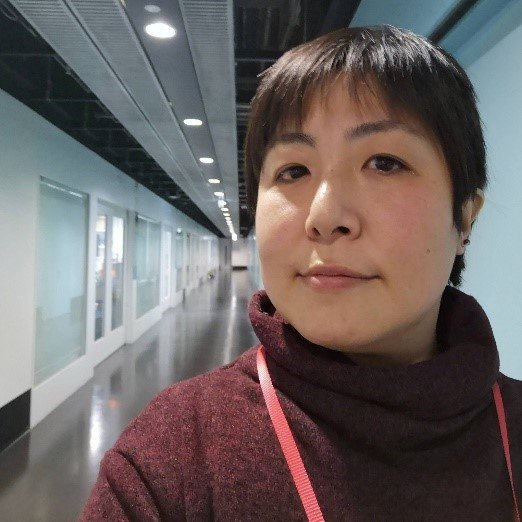
I have been part of the INRC community since 2005, when I first attended as a graduate student working on opioid analgesia. My participation continued through my postdoctoral years in the laboratory of Brigitte Kieffer at IGBMC in France and then with Andreas Zimmer at the University of Bonn. There was a period in the middle when relocation and family kept me away from the meetings, but I have returned to attending regularly, and I care about this society being the place for early-career researchers that it was for me.
That training is what I brought back to Japan. I now lead a research group at Waseda University in Tokyo, where we work on cannabinoid CB2 receptor signaling, neuroimmune interactions, and how metabolic state shapes the chronification of pain. Working in Japan after being trained entirely in Europe, I am used to operating between the two communities this society brings together.
My connection to INRC is in fact older than my membership. My father was a long-standing member and served on the executive board himself, so I know something of what this society was, as well as being closely involved in what it is becoming.
With the meeting coming to Tokyo next year, I want to be useful in practical terms. I worked as student staff for the 2004 Kyoto meeting, so I know what is required on the ground, and I can help communication run smoothly between the board and our local organizers, sponsors and attendees.
Candidate For Communication officer
Stephanie Puig, Assistant Professor - University of Massachusetts, Boston, MA
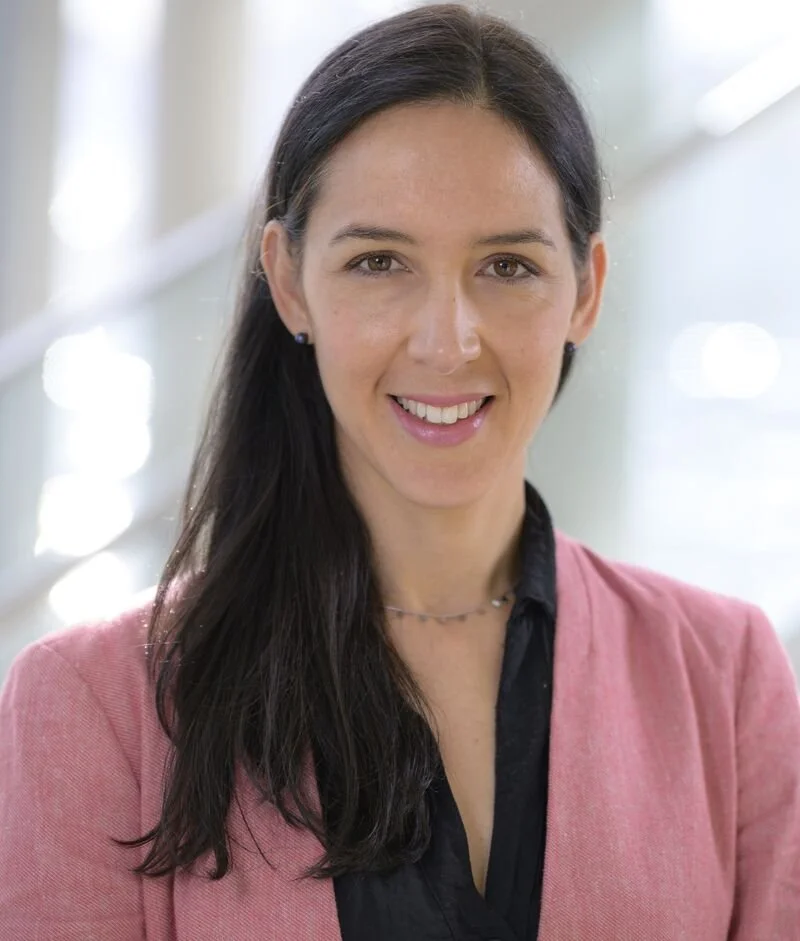
I am a neuroscientist and Assistant Professor in Psychiatry at UMass Chan and have been an active member of the INRC community since 2014. INRC has played an important role in my development as a scientist and in my career. What I value most about the society is its welcoming spirit, high scientific standards, and its unique ability to bring together junior and senior researchers in the field of opioid research.
I would be honored to serve as Communications Officer because I believe strong communication is essential to the success of the annual meeting, member engagement, and the continued growth of the society. If elected, I would form a committee to help coordinate communication efforts across social media and the email newsletter, and work to increase INRC’s visibility and international prominence. I would also like to help establish a quarterly seminar series to give members at different career stages the opportunity to present their work outside the annual meeting and foster year-round interaction and collaboration.
I bring communications experience from serving as Communications Chair for the Women in Bio Pittsburgh chapter, where I coordinated a team of five members and managed weekly social media and email outreach to promote events and engage members. I would be happy for the opportunity to contribute to INRC in this way and help support the society’s continued growth. More information about my lab is available here: https://puiglabresearch.wixsite.com/puig-lab